Sunday, 8 May 2011

Say Hello, Wave Goodbye

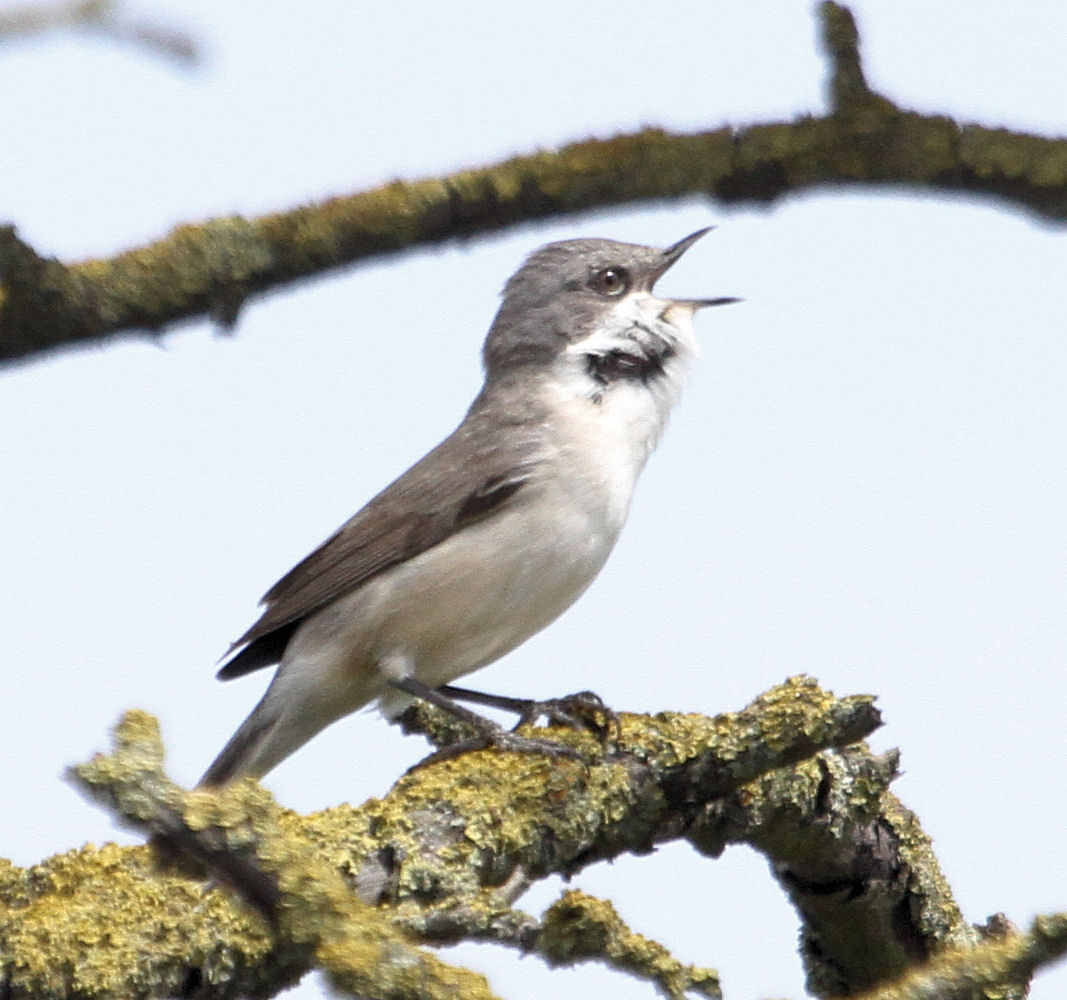
Lesser Whitethroat

ditto
ditto

Sedge Warbler

ditto

Willow Warbler

Avocet

Hare

ditto

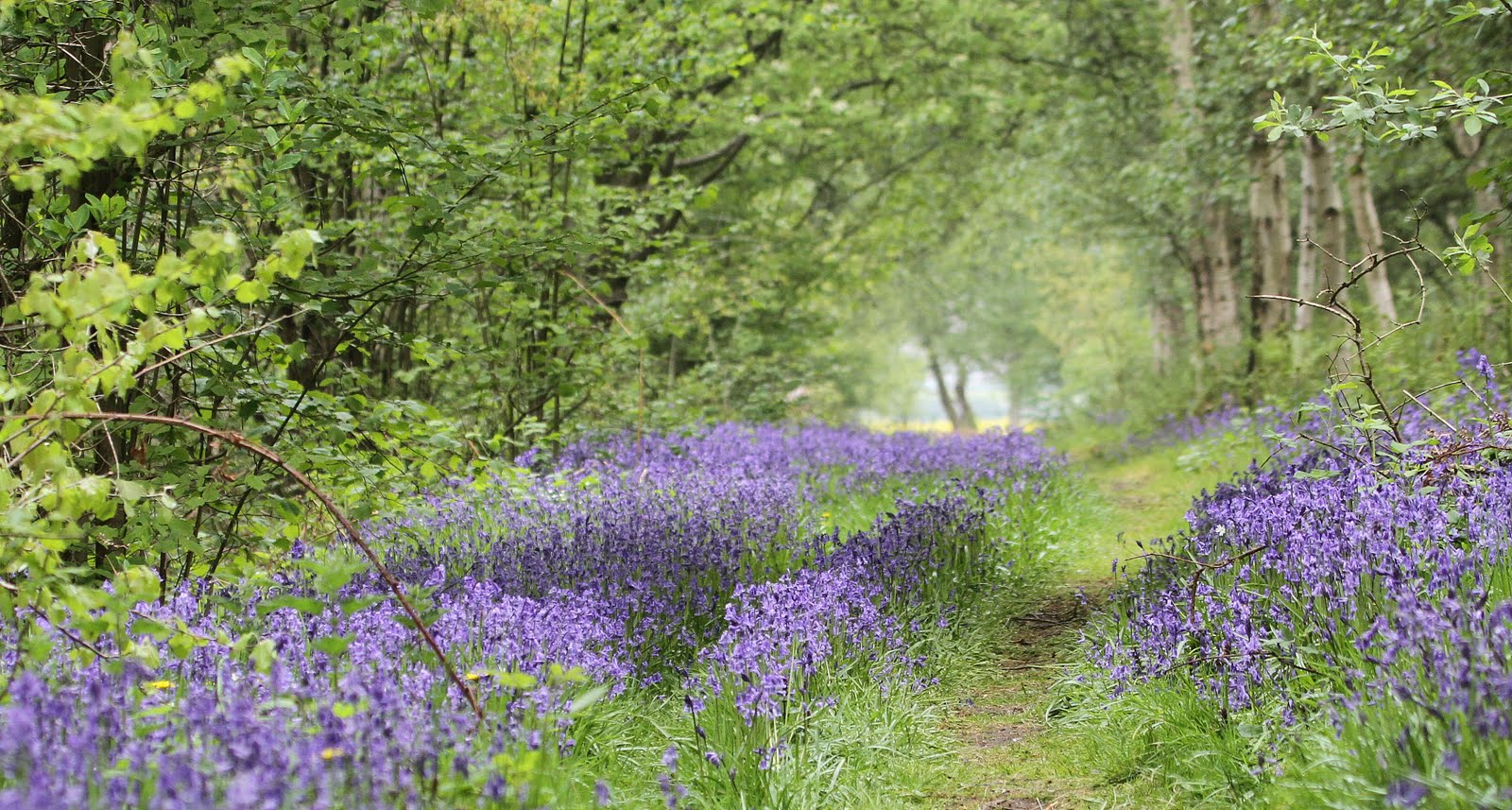
Bluebells

Small Copper

ditto

Little Gull

ditto

ditto

1st Summer Caspian Gull or Yellow-legged Gull?

Lesser Whitethroat


The first bird heard and then seen by both classes, which also turned out to be the final bird encountered by both groups was a very confiding Lesser Whitethroat. This was a 'lifer' for some involved, and for the others was the best views of this species they've ever had. The morning session travelled to our best woodland, where many Garden Warblers were heard, and Willow Warblers, Chiffchaffs, Blackcaps and a Whitethroat were heard. A Marsh Tit was identified from its sneeze by Andy, and various Red-legged Partridge were flushed. Rather surprisingly, there was no evidence that Green Woodpeckers survived the winter, and Great Spotted Woodpeckers weren't that noticeable either. A very distant Cuckoo was heard, but it never ventured very near. The downside of the morning were the vast numbers of mosquitoes and sweat flies which plagued the group! In view of this the afternoon session visited a different venue, where more than 40 species were either seen or heard. Again Green Woodpeckers were noticeable by their absence, but good views of Sedge and Willow Warblers were obtained. Some unusual gulls were in evidence, one was clearly a first-summer Little Gull, whilst the other was being freely described as a first summer Caspian Gull. However, after examining the photos James Spencer of Ornithological Idiocy believes this to be a Yellow-legged Gull. Keep an eye on his blog post on my Blog roll for further news on this bird. Several new 'students' attended on Friday, and they seemed suitably impressed by the birds present at both venues

Thursday, 5 May 2011

Fly away Peter, Fly away...

Cuckoo


Ditto
Kestrel

Whimbrel


Skylark


Ditto


Meadow Pipit


Wall Brown


Brown-Tail Moth Caterpillar


On Tuesday & Wednesday we visited two 100% guaranteed Cuckoo sites, and failed to have good sightings. Yesterday, we went to a venue where you don't expect to encounter Cuckoos, and both sessions had amazingly close views. This was a lifer for several people who had only ever heard them calling before. There was a strong easterly wind which kept some of the smaller birds down, but the morning group did have some good views of Whitethroats and a Chiffchaff. Both sessions were able to watch som nervous Whimbrel, but only the morning session saw a bedraggled Kestrel, which had probably just had a bath. A female Wheatear was on the flood embankment in the morning, but she couldn't be relocated in the afternoon. However, both classes were able to compare and contrast the song flights of Skylarks and Meadow Pipits. Our first wall Brown was seen in the afternoon, whilst Orange Tips were seen all day, as were the insidious caterpillars of the Brown-Tail Moth, which cause such irritations on the skin.

Wednesday, 4 May 2011

New Term, New Venue

Tree Pipit - a lifer for some ditto
Red-necked Grebe - a lifer for even more ditto


Garden Warbler (c) 2011 Tony Robinson

Orange-Tip


4-Spotted Chaser


ditto


Large Red Damselfly


[Digger?] Wasp sp


Tiger Beetle


Rose


Blow-Fly sp.Fleece Weevil!

Wednesday saw the longest-surviving group visiting a new location to us. It had been highly recommended to us by someone who knew the site intimately, but it didn't really live up to the hype. Despite this a Red-necked Grebe was a lifer for everyone on the pm course, and most of those attending the morning session; whilst a Tree Pipit was a new bird to a few in each class. The morning group saw 43 species, some of the highlights being: Greenshank, Buzzard, Shelduck, Yellowhammer, White(?) Wagtail, Garden Warbler (dozens), Blackcap, Willow Warbler, Chiffchaff, and Whitethroat. While I was looking away the am group saw what looked like a giant Swift, which they are certain was a Hobby! There were certainly plenty of insects for a Hobby to eat - 4-Spotted Chasers, Large Red Damselflies & the first Blue Damselflies. There was an enormous number of copulating Tiger Beetles and some strange black wasps with red markings laying eggs in the peat! Overall a good day, but not the stunning one I had anticipated!

Tuesday, 3 May 2011

New Term - Warblers Galore!

Whitethroat

Whitethroat - eye-popping
Sedge Warbler

Lesser Whitethroat

Chiffchaff

Perch?

Coot family

St Mark's Fly

Wasp Sp

I was hoping to show both classes 4 different Cuckoos today, but we only had a brief view of a single individual at lunch time. However, we could hear a male most of the morning, but it was off the site we were visiting. The density of Whitethroats was particular high, indicating that they may only recently have arrived. There were also a few Lesser Whitethroats, Willow Warblers, Chiffchaffs, and Blackcaps. There were no Garden Warblers, but Reed Warblers were, but the high winds meant that tey remained low down in their reeds. The Turtle Doves have eithr died out at this location, or may be late to return. It will be interesting to see what is present at this location on a less windy day with hopefully, more sun too!

Sunday, 1 May 2011

Next Term's Wildlife 3: Cuckoo

All Cuckoo shots for this post (c) 2011 Chris Cox


The Cuckoo's call is one of the most iconic sounds of Spring, but is becoming progressively harder to hear. However, my classes will be visiting at least 3 venues where you can still hear them, and we have more than a 90% chance of seeing them. One of these sites is private, but we have permission to visit, and this is the location where the above pictures were taken only a couple of days ago. Class members will hear male Cuckoos 'singing', but they will almost certainly hear females bubbling, and probably hear the males 'gowking' (a stange belly-laugh) call too. By the end of this term, they will have learned many strange facts about this fascinating, but declining species.