This September every class will be visiting Spurn at the time of year when we are most likely to see the greatest variety of species on migration. Below are photos taken during just 2 days in September 2008.
Male Redstart on Migration at Spurn
Immature Cuckoo
Many adult Cuckoos and several immature Cuckoos have already left the UK, but in September there may still be a few lingerers. As Cuckoos are becoming harder to see every year, and many people probably didn't manage to see or even hear one this spring, then will will make a determined effort to track any late leavers at Spurn this Autumn.
Immature Cuckoo
Another bird which has been in steep decline in recent years is the Spotted Flycatcher. They were particularly difficult to find in East Yorskhire this spring. I believe even Tophill Low didn't manage to host a breeding pair this year. However, these are another of the so-called "common migrants" which we should be lucky enough to encounter on their leisurely southwards migration in September.
Spotted Flycatcher
The Pied Flycatcher has never been a common breeding bird in East Yorkshire during my lifetime, so Autumn is the best time to try and locate this species in this county.
Pied Flycatcher
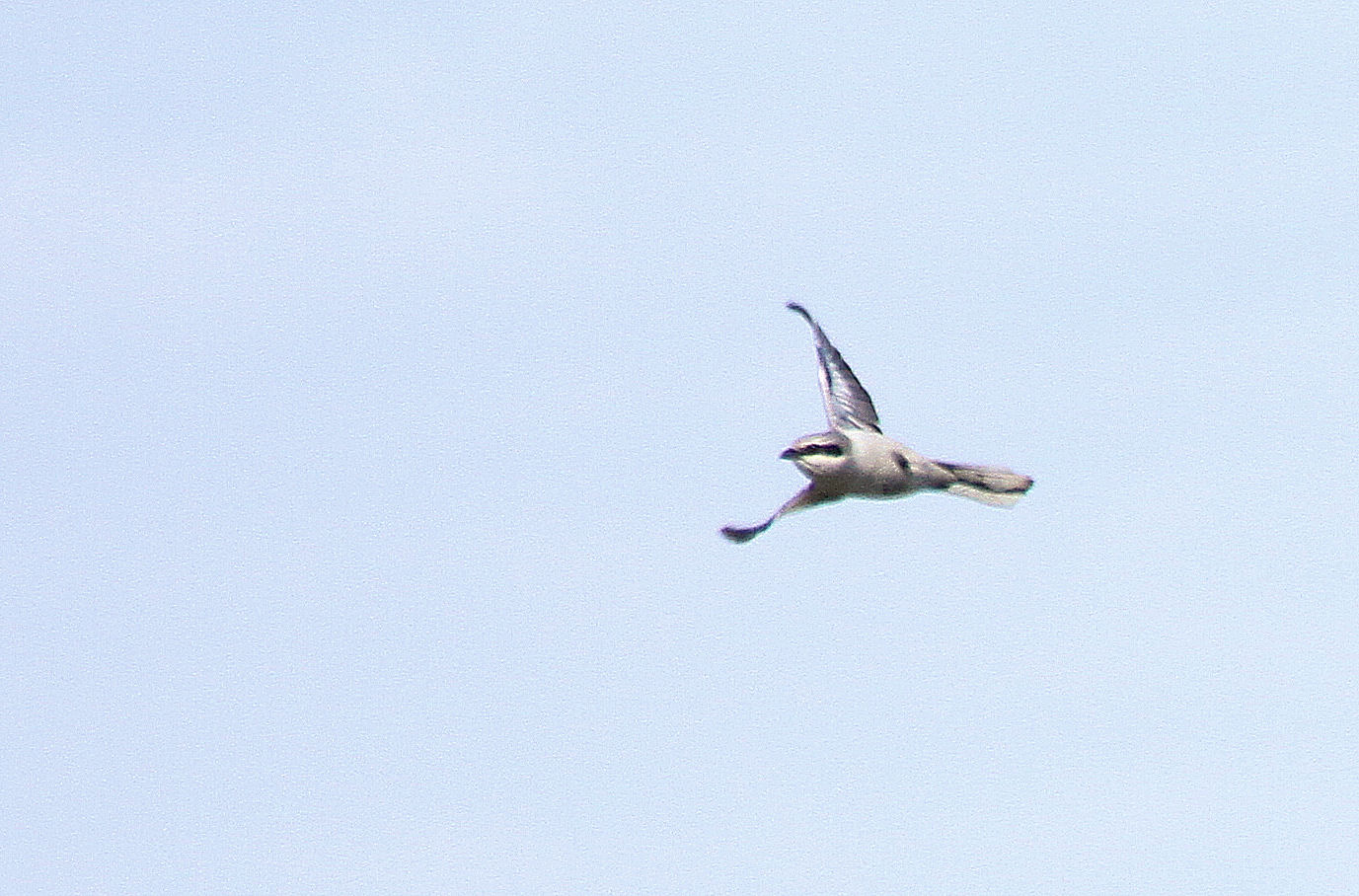
200 years ago the Red-Backed Shrike was quite a widespread breeding bird in England & Wales, but it hasn't been a regular breeder in the UK since the final bird nested in 1988. Some Autumns there can be quite a scattering of individuals at coastal sites, and if there are any in 2012, I will try and ensure every course participant gets to see one of these Butcher Birds.
Red-Backed-Shrike
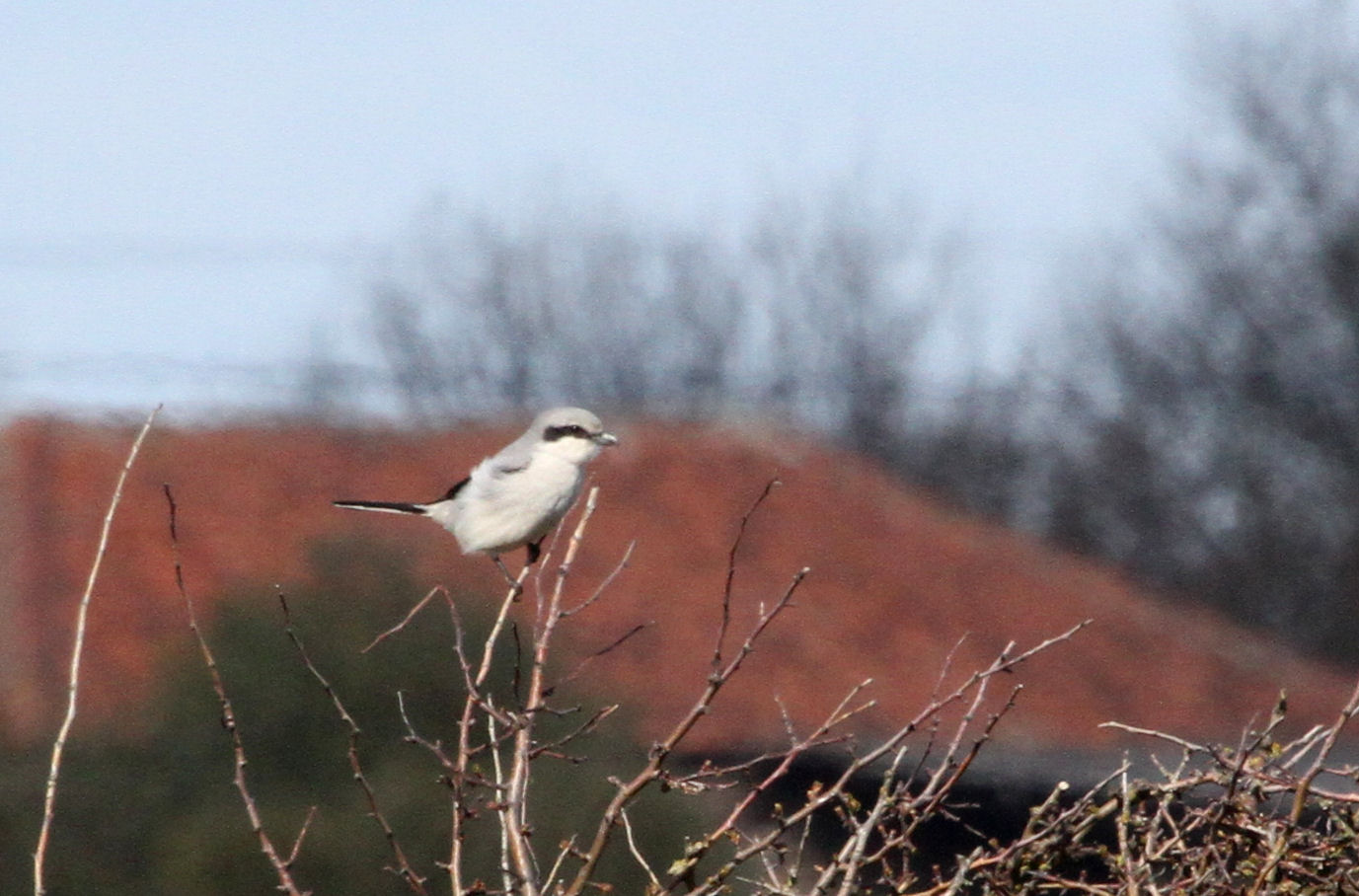
Unlike the Red-Backed Shrike, its larger cousin is a winter visitor, but it may arrive on these shores at the same time as the smaller bird. The individual below had just been ringed and was being show to the appreciative masses before it was released. This year every class member will be given the opportunity to witness a range of birds being captured, ringed and released. It is a real privilege to witness the process of ringing, and to see these birds at close quarters in the hand, so a small donation to help with the cost of this scientific work will be levied in this particular case.
Great Grey Shrike
The Wheatear only passes through East Yorkshire on its way to and from its breeding areas on higher ground. These are very popular birds with course participants as like many members of the chat family they will pose in the open somewhere obvious giving birders plenty of time to get them in their binoculars. Wheatears do arrive at Spurn on both their Spring and Autumn migration, but we are likely to see a wider range of plumages on display in the Autumn. This is a young bird illustrated below.
Wheatear
Another member of the chat family is the Redstart. We do have a small breeding population in the very north corner of East Yorkshire, but again the coast is the best local area to encounter this species in any numbers. At their breeding sites they can be fairly secretive, when they aren't feeding their young, and rather surprisingly these bright birds can be fairly difficult to see when the male is singing. However, as in this example and the illustration at the top of this blog they will perch in the open during the Autumn migration.
Male Redstart
Female Redstart
The Stonechat is another member of the chat family. Unlike every other perching bird mentioned in this post, the Stonechat has been increasing as a breeding bird in the UK. Also, unlike most of the other small birds referred to here, the Stonechat remains in the UK throughout the winter. This seemed a sensible strategy when we were having mild winters, but it has declined markedly after the last 3 winters. I can no longer guarantee we will see a Stonechat, but we will do our best to find one!
Stonechat
A final member of the chat family we may see in September is the Whinchat. In the early 1980s this could be seen in the breeding season near Kiplingcotes, but those birds have long gone. In June and July the nearest birds are probably either on the North Yorkshire Moors or in South Yorkshire on some of the Humberhead peat levels, but in September a few individuals will still pass through Spurn on their way to Africa.
Whinchat
Most of the birds I've referred to so far are passerines, or songbirds, but you may see other families at the coast in September. One wading bird which we are likely to observe is the Snipe. Its cryptic plumage makes it very difficult to locate when it is feeding among dead and dry grasses, but it stands out quite well like this individual when it is in on a shorter lawn.
Snipe
September is a little early for the largest influx of Short-eared Owl, which usually occurs much later in the year, but in 2008 this bird was flying around early on the day of our visit.
Short-eared Owl

I am now taking bookings for the Autumn term, which begins on 4th of September. There are a couple of vacancies on most sessions, but Wednesday mornings, Thursday mornings & Thursday afternoons are either full or nearly full. For 2 hours a week for 10 weeks encounter the natural world as a completely new sensual experience. You'll be amazed what you'll find just by listening, and not only by looking! In the Autumn we'll be paying special attention to birds migrating along the East coast & Humber estuary. Specific birds we'll be hoping to see include: Bearded Tit, Hobby, Bittern, Kingfisher, Barn Owl, Red Kite, and nearly 100 other species! So, if you are interested in learning more about your local wildlife in beautiful and secluded venues for less than £10 a week, then this is the course for you! We visit a different local hotspot each week and identify all the birds and as much other wildlife as we can. Each session lasts at least 2 hours. The course runs twice daily Tuesday to Friday.