Sunday, 11 June 2017

Week 6: Flaming June

The past week was flaming June, but not for the typical reason.  We had to contend with some quite appalling weather: heavy rain, strong winds, but Friday wasn't too bad!
Hobby
The strong winds on Wednesday kept the birds for the most part deep under cover.  It was our first visit in more than 4 years to Barlow Common, so it was a shame the breezes were so strong.  We didn't actually get a decent view of the compulsory Green Woodpecker, but its flight call was heard briefly.  A silent Cuckoo watching the other birds nesting was one of the highlights, as it stayed in place long enough for everyone to view it.  
 Cuckoo
We found a ground-nesting Willow Warbler adjacent to the path.  One of the parents had an incredibly strong supercilium. 
Willow Warbler (c) 2017 Tony Robinson
 Willow Warbler
 Ditto
 Bullfinch
 Immature Moorhen
 Ditto
 Bittersweet (NOT deadly Nightshade)


 Viper's Bugloss
Some of the morning group went on to Blacktoft Sands.
 Marsh Harrier (c) 2017 Tony Robinson
 Female Marsh Harrier (c) 2017 Tony Robinson
 Swift (c) 2017 Tony Robinson
Ditto
The weather forecast was terrible, so we switched to Tophill Low. The am group encountered around 53 species in the southern part of the site, and the pm group added Heron in the same area. Highlights included the Little Gulls (one smart individual and 3 in non-breeding plumage - SME, but the smart one also turned up at WNR). 
Little Gull 
 Ditto
 Little Gull (c) 2017 Dick Watson
 Little Gulls in 2 different plumages
 Little Gull [left] compared with Black-headed Gull
 Red-Crested Pochard on SMW (c) 2017 Dick Watson
 Now on D Reservoir 
 Willow Warbler (c) 2017 Dick Watson
 Willow Warbler
 Sand Martin (c) 2017 Dick Watson
 Ditto
 Little Egret
 Goosander (c) 2017 Dick Watson
 Goosander
 Ditto
 Oystercatchers (c) 2017 Dick Watson
 Oystercatcher with chick
 Shelduck Ducklings
 Shelduck
 Ditto
 Drake Shoveler
 Ditto
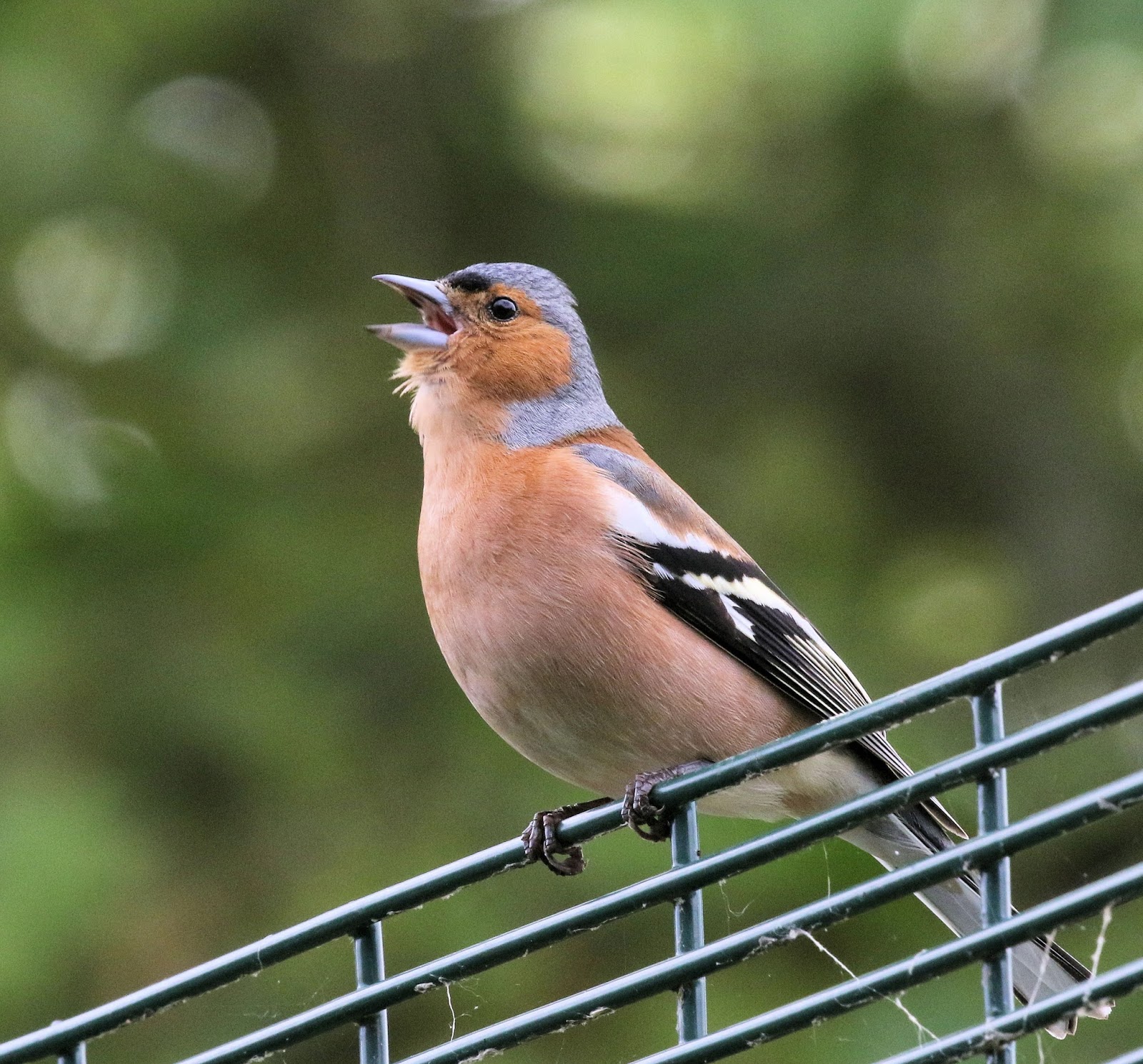
 Chaffinch
 Tawny Owl Fledgling (c) 2017 Dick Watson
  Bee Orchid
 Ditto
 Common Spotted Orchid
 Marsh Orchid
 Orchid Species
 Large Skipper on Marsh Orchid
 Large Skippers
 Speckled Wood
 Grass Snake (c) 2017 Dick Watson
 Ditto
On Friday we crossed the river to Messingham Sand Quarry for the nicest weather of the week, which is lucky as good weather is essential at this venue.  The Hobby didn't grace our eyes until just before the afternoon session started, so the morning group spent quite a lot of time admiring the insects.  However, birds we did see included:  Kingfisher, Jay, Cuckoo, Garden, Reed, Sedge, & Willow Warblers, Blackcap, Comm Tern, GC Grebe, Sand & House Martins, Swallow, Buzzard, Kestrel, Shoveler, Shelduck, Pochard, Gadwall, etc
Hobby
 Ditto
 Ditto
 Ditto
 Ditto
 Common Terns (c) 2017 Jane Robinson


Common Tern
 Ditto
 Cinnabar Moth (c) 2017 Jane Robinson
 Common Lizards (c) 2017 Jane Robinson
 Lizards (c) 2017 Mike Woods
Common Lizard (c) 2017 Jane Robinson
Common Lizard (c) 2017 Mike Woods
 Ditto
 Ditto
 Brown Hawker
 Four-Spotted Chaser (c) 2017 Jane Robinson
 Four-Spotted Chaser [MJF]
 Ditto  (c) 2017 Mike Woods

Garden Chafer
Garden Chafer (c) 2017 Mike Woods


 Small Copper (c) 2017 Jane Robinson
 Underside of Small Copper [MJF]
 Red Admiral (c) 2017 Jane Robinson
 Red Admiral [MJF]
 Red Admiral (c) 2017 Mike Woods
 Ditto
Scorpion-Fly
 Ditto
Scorpion-fly (c) 2017 Mike Woods
Speckled Wood
 Ditto
 Blue-tailed Damselfly (c) 2017 Jane Robinson
 Blue-tailed Damselfly (c) 2017 Mike Woods
Fly
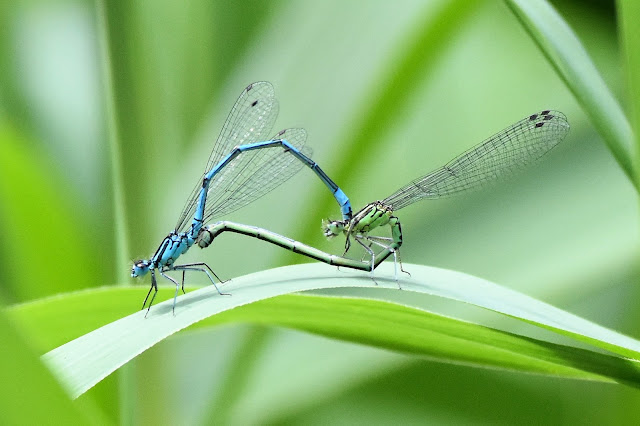
 Common Blue Damselflies
 Common Blue Damselflies (c) 2017 Mike Woods
Foxgloves
 Royal Fern (c) 2017 Jane Robinson 
Snail on Yellow Flag Iris Lizard (c) 2017 Mike Woods
 Black-headed Gulls Lizard (c) 2017 Mike Woods

Saturday, 3 June 2017

Thorne Moors Specials

This week was half-term, but on Wednesday and Thursday we participated in two one off specials to Thorne Moors.  Both days were very warm, and the walk was long and arduous, but there the similarities almost ended.  
Hobby chewing a dragonfly 
On Thursday we were walking past the former colliery entrance when we were arrested by the delightful purring of a Turtle Dove.  We couldn't see it as a line of Silver Birches blocked our view.  We needn't have worried as later a Turtle Dove flew towards us, and landed on a rather ugly lamp-post.  Unfortunately, the sun was behind a cloud at first, but eventually it broke through, and the colour of the Turtle Dove changed before our very eyes.  As luck would have it the bird was facing away from us at the time.  It flew off without showing us its profile.
Turtle Dove
 The Sun shines on the Turtle
 Ditto
Common Blue
 Grass Species releasing its pollen
 Immature Robin
 Large Red Damselfly 
 Four-Spotted Chaser
 Drinker Moth Caterpillar
 Ditto
 Cuckoo
 Ditto
 Buck Roe Deer
 Sparrowhawk
 Tiger Beetle
We found this sadly deceased creature on the road on which the vehicles of only wardens and volunteers are permitted to drive.
 A flick of Simon's Swiss Army Penknife revealed it was a small Adder - a needless death.
We hadn't been on the road long, when Ken spotted a distant Cuckoo revealed in the empty 'V' between various pieces of vegetation.
Ken's Cuckoo
On Wednesday we soon spotted at least 4 Hobbies, a couple of which came fairly close, but on Thursday there were none to be seen.  There was a stronger wind on Thursday from the south, which may have moved the Hobbies to the leeward side of Will Pit Wood.  Although we did eventually see some very distant Hobbies over the tree tops there were never as obliging on Thursday, as they had been on Wednesday.
Hobby
 Ditto
 Marsh Harriers
 Ditto
 Ground Beetle
After lunch around a picnic table both groups headed back on a circular route which took in the viewing tower.   On Wednesday a volunteer patiently pointed out a Large Heath butterfly nectaring on a Marsh Cinquefoil, which was a new butterfly for many, as was the plant!  The return journey for both sessions was relatively uneventful, although on Thursday we did see a man hiding in the bushes!  It wasn't clear what he was upto!  
Large Heath on Marsh Cinquefoil
 Marsh Cinquefoil
Cotton-Grass
Some of the other species seen included: Swift, House Martin, House Sparrow, Blackbird, Wood Pigeon, Stock Dove, Willow Warbler, Carrion Crow, Pied Wagtail, Whitethroat, Lesser Whitethroat, Chaffinch, Marsh Harrier, Lapwing, Reed Bunting, Linnet, Black Headed Gull, Sedge Warbler, Mallard, Goldfinch, Tufted Duck, Kestrel, Common Buzzard, Meadow Pipit, Wren & Dunnock.


Friday, 2 June 2017

Last Night's Moths

Last night was the first night this week I was able to use the moth trap. It was the best haul so far with about 15 species caught. It took half an hour to carefully remove the moths from the trap and try to photograph them on something more attractive than egg boxes before they flew away.  Then I spent an hour with my big moth book trying to identify the vast majority of my captives.  There were quite a few I haven't been able to identify with any certainty.
[All IDs corrected by Barry Warrington]
Plain Golden Y
 Angle Shades
 Poplar Hawk Moth
Straw Dot
Setaceous Hebrew Character
 Garden Carpet
 Heart and Dart
 Heart and Dart
 Rustic Shoulder-Knot
 Small-Square-Spot?
 Ditto?
Rustic Shoulder-Knot
 Light Brown Apple moth
 Common Marbled Carpet
 Clouded Silver
 Unidentified Species
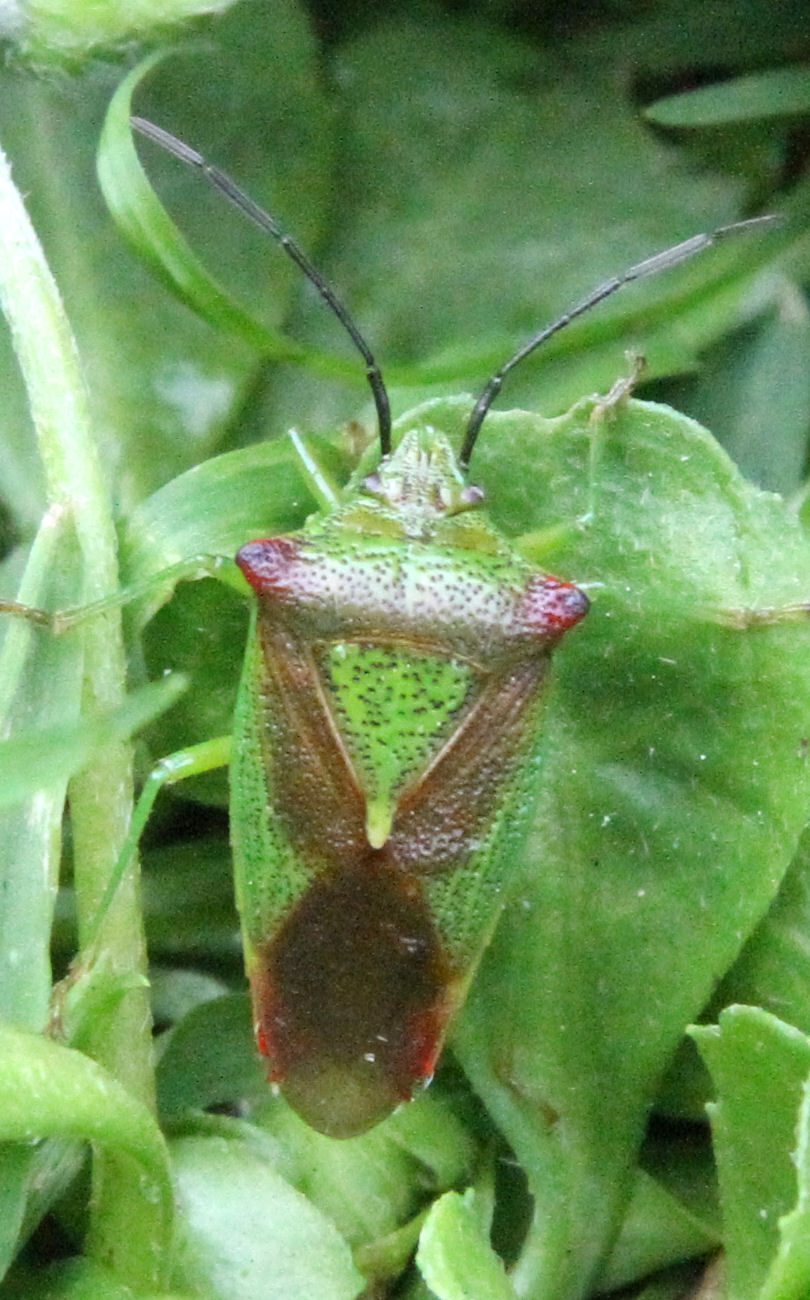
 Birch Shield Bug
 Hawthorn Shield Bug

Thursday, 1 June 2017

Beren and Lúthien Published Today

This afternoon Beren and Lúthien were seen in the "hemlock glade" in Roos for the first time since Tolkien was inspired to write the original version of the tale 100 years ago.  
Deluxe [left] and Standard "Beren and Lúthien" books in Roos Churchyard - photographed on the day of publication
 Photographed in Dents Garth
 At the base of the three-trunked linden-tree
 Ditto
They also spent some time at the base of the three-trunked tree; a few minutes among the Cow Parsley; and they paid a short visit to the rear of Dents Garth - the woodland identified by John Garth - as the place where Edith sang and danced for Tolkien a century ago.

Unfortunately, it was difficult to find a suitable place to take some photographs.  The Cow Parsley had been badly trampled in the one clearing in the woodland, and had been cut down and removed from large areas of the churchyard.  In other areas it had stopped flowering and looked well past it best.

These indications of flowering add to the probability that Edith almost certainly danced for Tolkien sometime in May 1917, rather than June when Cow Parsley has lost the ethereal beauty associated with its white froth of flowers.

Despite this there was something strangely satisfying at seeing copies of the new book at the very location when the germ of the story was begun. 

More info here