Friday, 14 February 2020

Wind is the King

Male Stonechat

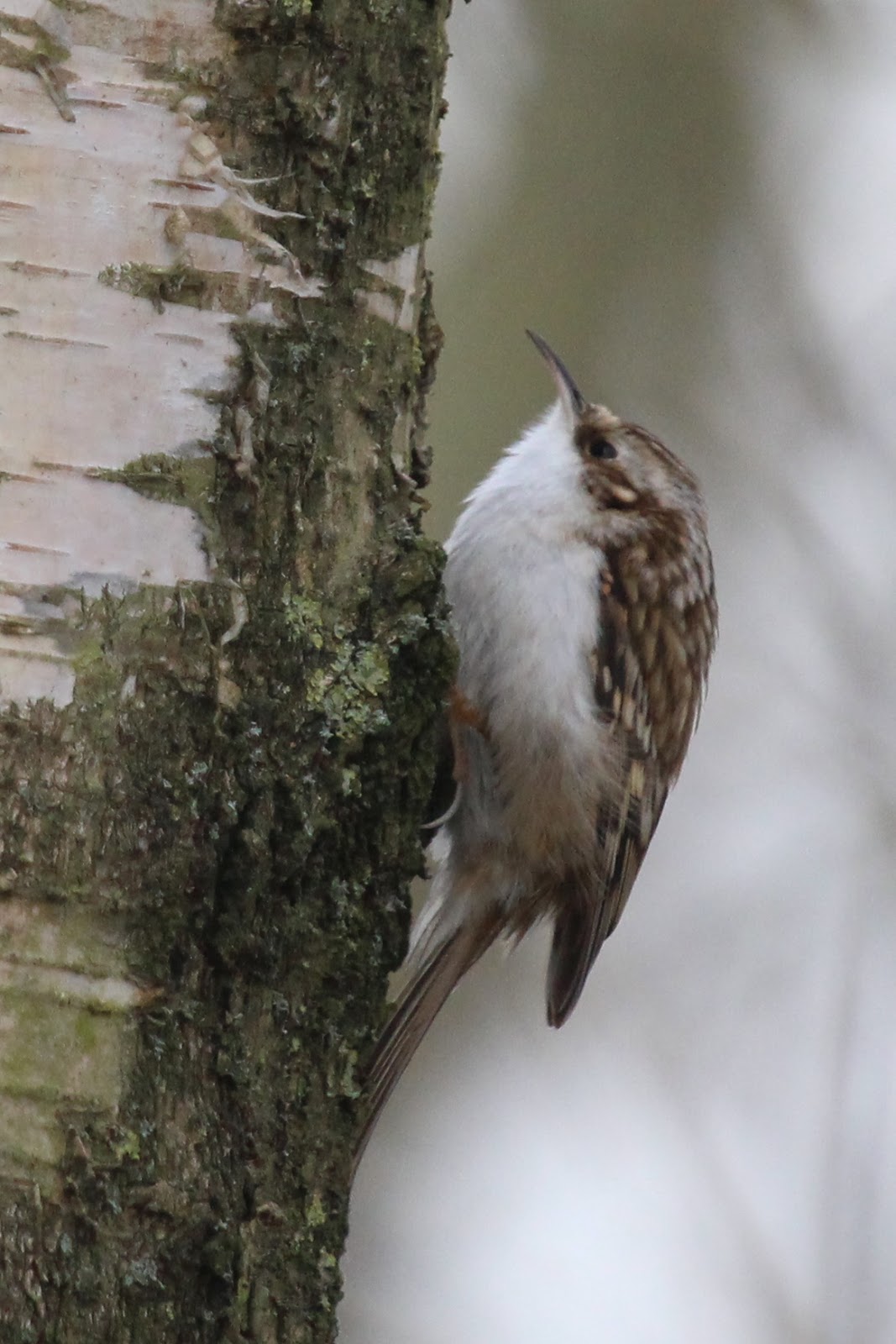
On Tuesday we had our first visit of the year to the southern wolds.  The wind was absolutely appalling at the meeting place, so we shared cars to the valley, and did our best to get out of the worst of the wind.  We did see Red Kites and Buzzards, but we probably had our closest encounters with several Marsh Tits.  There was a busy Wren wrestling insects from the mosses and liverworts from the dam area, behind which were over 100 Mallard, which were presumably sheltering from the wind.  I heard a small flock of Siskins, but they remained hidden from sight.  A Goldfinch perched on an old burdock stem in nice light was another highlight.
 Herring Gull
 Wren
 Wren
 Marsh Tit
 Marsh Tit
 Male Bullfinch
 Goldfinch
 ditto
 Kestrel
 ditto
 Ditto
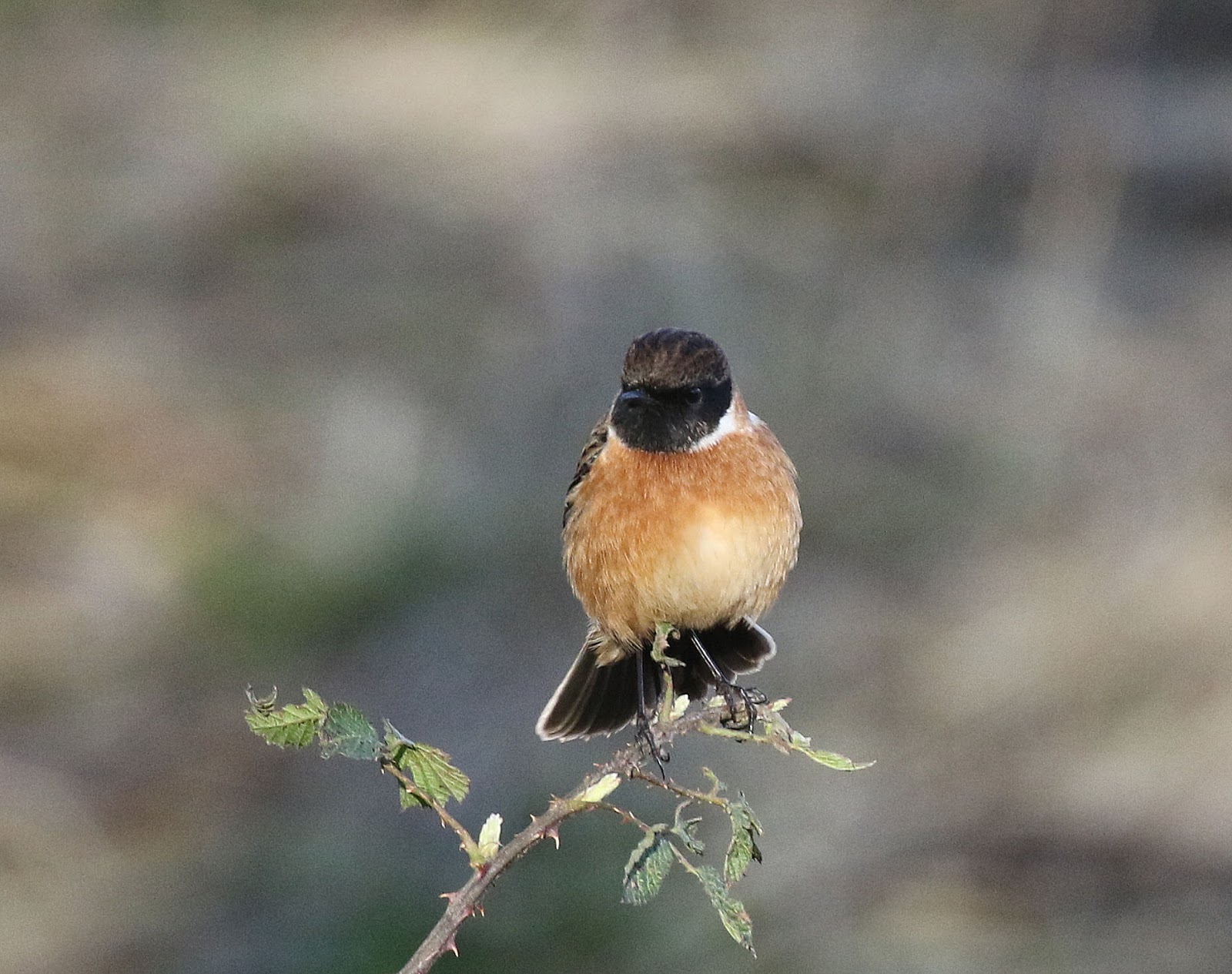
On Wednesday we went to North Duffield.  I had wondered if the second hide would be under water after all the new floodwater seen on film this week, but it was still standing proud of the water.  From the first hide we had distant views of the wildfowl, but the highlight was definitely a male Stonechat.  It started on the far side of the first pond, making its way along the hedge and bushes until it got closer and closer.  Eventually, we obtained really good views.  It came really close to the hide, but so briefly it wasn’t possible to take a photo until it was further away again. 
Male Stonechat
 ditto
ditto 
 ditto
Stonechat (c) 2020 Tony Robinson
 ditto
 Pintail
From the second hide we immediately saw several Pintail fairly close, plus good views of Whooper Swans.  We had fairly small groups of Teal, Shovelers, and Lapwings not too far away.  Further off we saw Marsh Harriers, a Red Kite and a Sparrowhawk alarmed a larger flock of Lapwings.  Later, a larger group of waders arrived, and some of these were clearly Ruff and Dunlin.  A couple of the Ruff landed among some Whooper Swans, but they were difficult to see as they kept going behind the swans or some Canada Geese. 
Whooper Swans - whooping
 ditto
 ditto
 ditto
Whooper Swans (c) 2020 Tony Robinson
Some of the morning group went on to RSPB Blacktoft Sands
Canada Goose (c) 2020 Tony Robinson
 ditto
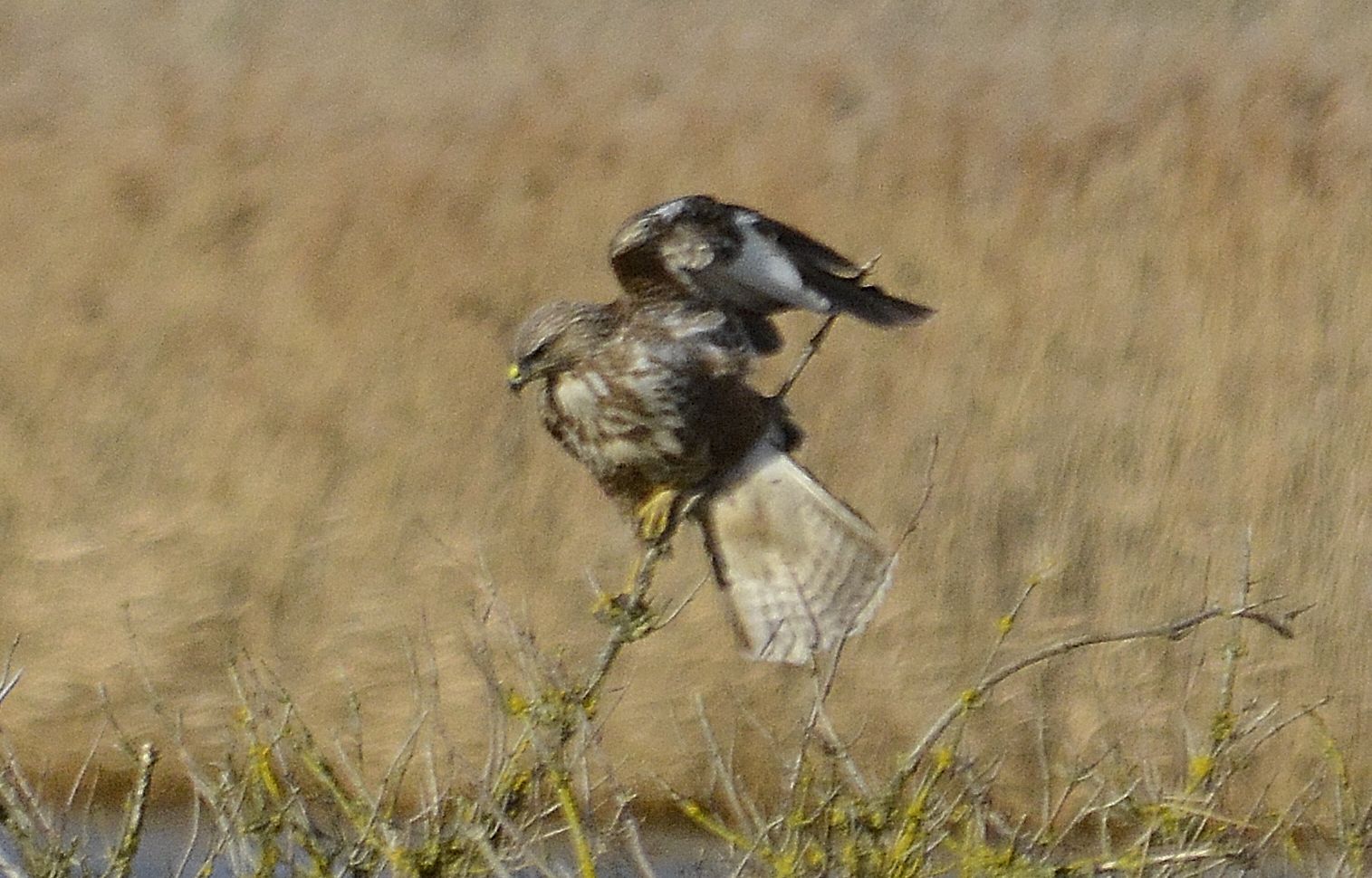
 Buzzard (c) 2020 Tony Robinson
 ditto 
 ditto 
 Snipe (c) 2020 Tony Robinson
Meanwhile, back at North Duffield Carrs.
 Lapwing, flanked by Shoveler & Teal
 Lapwing with Shoveler [left]
 Ruff
 Ruff - note different leg colour
 Ruff
 Lapwings
Thursday was a bit of a rerun of Wednesday, but the weather was generally kinder. However, the Pintail were further away.  In the morning a Snipe swam across the pool in front of the main hide and hid itself among some marshy clumps.  It was still there in the afternoon, but proved notoriously difficult to spot. 
Snipe
 ditto
 Hiding in the marshy clump
 Pintail
 Whooper Swans incl G57 on the left
 Zooming in on G57
 Pintail Landing
 Lapwings and Dunlin
 Ditto
 Dunlin
 Hare
 Redwing
 ditto
 Redwings
 ditto
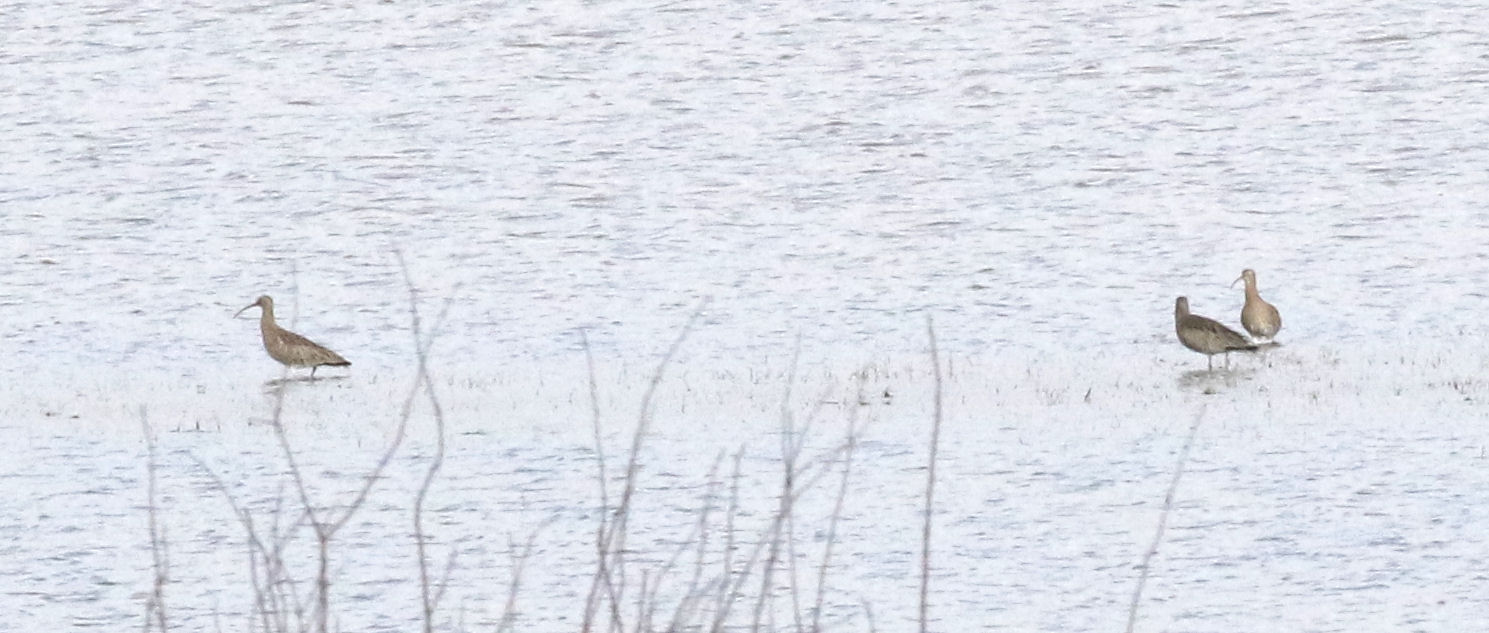
 Curlews
 Kicking Logs off the bank
On Friday we had to go to our third choice after our intended venues were either flooded or reported as poor - North Cave Wetlands.  There was no doubt that the highlight was the Green Woodpecker, which showed itself to select members of both groups.  We did see more than 40 other species.
Pink-footed Goose among Greylags
Record Shot of Distant Kingfisher 
 Lapwings
Lapwings (c) 2020 Jane Robinson
 Lapwings 
 Immature Cormorant (c) 2020 Jane Robinson
 Teal (c) 2020 Jane Robinson
 ditto
 ditto
 ditto
 ditto
 Teal (c) 2020 Mike Woods
Tufted Duck (c) 2020 Jane Robinson
 ditto
Bullfinches
Male Bullfinch (c) 2020 Jane Robinson
Fieldfare
 Female Siskin
Female Siskin (c) 2020 Jane Robinson
 ditto
Goldfinch
 Redwing
Redwing (c) 2020 Jane Robinson
Snipe 
 Snipe
 5 Snipe - honestly
 Reed Bunting
Treecreeper (c) 2020 Jane Robinson
 ditto
 ditto
 ditto 
 Female Green Woodpecker (c) 2020 Jane Robinson
 ditto
 ditto
 Female Green Woodpecker (c) 2020 Mike Woods
 ditto
 ditto
Lesser Redpoll

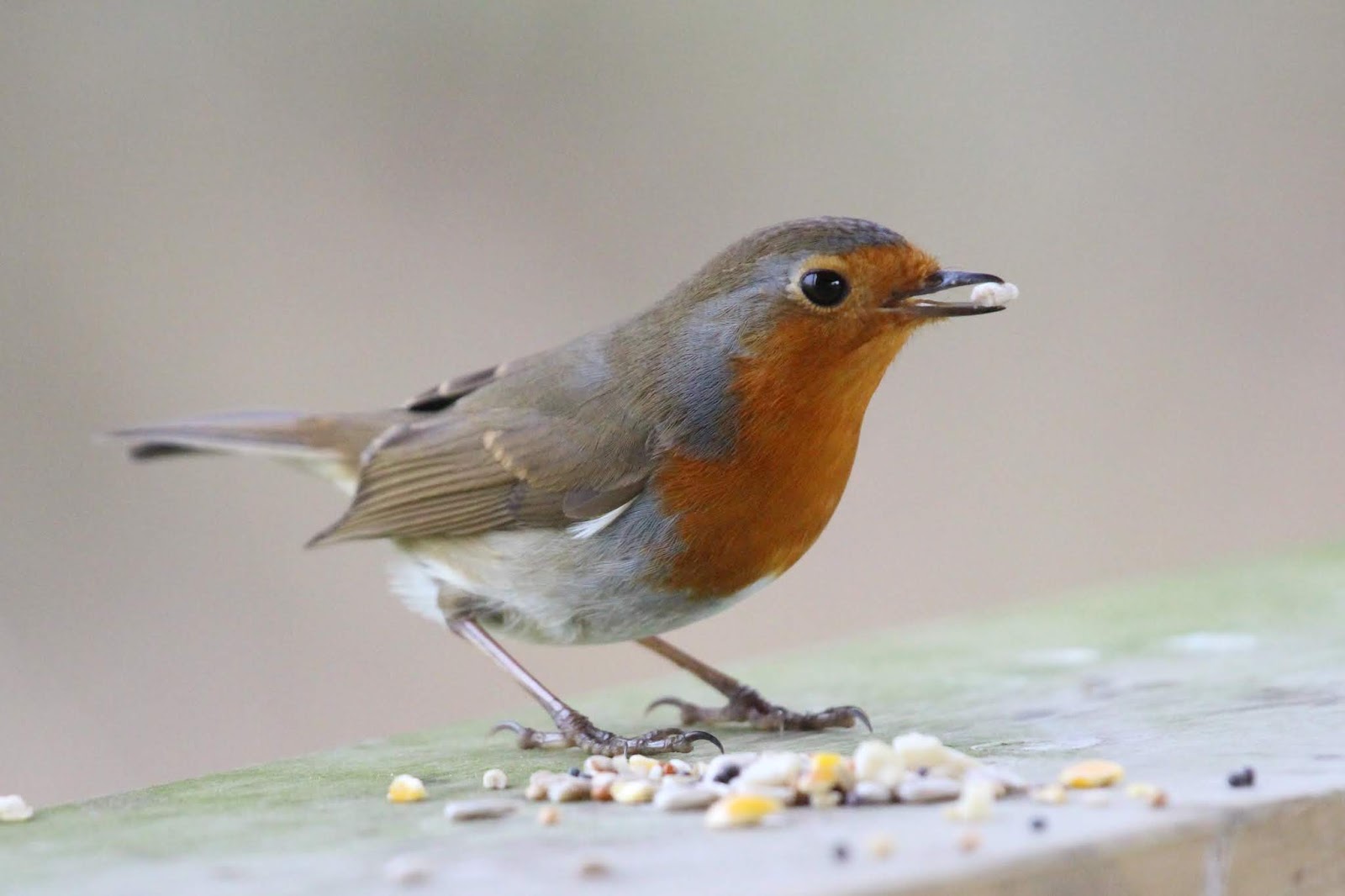
Robin (c) 2020 Mike Woods
 Robin (c) 2020 Jane Robinson
 ditto
 Blackbird  (c) 2020 Mike Woods
Dayglo Jogger Round a Nature Reserve - is this a Thing Now?


Tuesday, 11 February 2020

Early February on the Great White Cape

This weekend both Tony Robinson and the Ossett couple spent some time on the rocky east coast.  Rather surprisingly, all of them stopped off first at Thornwick Pools to see if they could locate the Grey Phalarope.  Bempton was visited and Gannets, Fulmar and Guillemots were all back on the cliffs, although they could all abandon it agin if the weather worsens between now and April.
Grey Phalarope (c) 2020 Tony Robinson
 ditto 
 ditto 
 ditto
 ditto
 Grey Phalarope (c) 2020 Mike Woods
 Record Shot of Grey Phalarope in Flight 
 Guillemots (c) 2020 Mike Woods 
ditto  
 ditto
Guillemots (c) 2020 Tony Robinson
Peregrine - Scarborough (c) 2020 Mike Woods
 Fulmar (c) 2020 Mike Woods
 ditto
 Gannet c) 2020 Tony Robinson
 Gannets (c) 2020 Mike Woods
 ditto
 Herring Gull (c) 2020 Mike Woods
 ditto
 Immature Herring Gull c) 2020 Tony Robinson
 ditto
 Great Black Backed Gull (c) 2020 Mike Woods
 Feral Pigeon (c) 2020 Mike Woods
 Weasel (c) 2020 Mike Woods
 Weasel (c) 2020 Mike Woods
 Grey Seal - Scarborough (c) 2020 Mike Woods
 Harbour porpoise - Scarborough (c) 2020 Mike Woods 

Monday, 10 February 2020

Starling Murmuration - North Duffield

This season there aren't many Starling Mururations close to home in the East Riding, but there is a spectacular one in the Lower Derwent Valley.  It has been present since before Christmas, and has been building in size during the intervening period.  My thanks to a Thursday morning stalwart who first drew this murmuration to my attention. The setting may be the most picturesque of all East Yorkshire murmurations in the past decade. The best vantage point is to view from either the hide or car park at the North Duffield reserve and face north.  You may view the performing Starlings against the huge skies above the rather flat Lower Derwent Valley.  One local birder with apparently a lot of time on his hands has meticulous counted the Starlings on his photos, and has estimated that there are approximately 300,000 individual Starlings involved in these breathtaking displays.  If you want to see it, then the best time to visit is on a still evening with hopefully a fine sunset.  The following photos were taken on two evenings within the past week.  The drama was beginning at around 5.15 last week, but the spectacle will occur progressively later.  Please note Starlings will be returning to their breeding grounds before too long, so if you want to see it at its peak, don't hang around.
All photos (c) 2020 Jane Robinson
"Finger Over Trees"
Head with a large bulbous nose? 
"Mushroom" 
 "Bee Swarm"
A Skein of Geese Flies Through
Peeling Off
A Speckled Band 
 Filling the Sky