
The forecast was amazing on Tuesday so we were able to go ahead with Fairburn Ings. The feeding station had Reed Bunting, and most of the usual suspects, but no Nuthatch, Willow Tits, Redpolls, or Bullfinches. From the elevated screen we could see the Heronry and some Cormorants on nests. A little Egret flew overhead and seemed to be making for the nesting area too. However, the most noticeable thing was the proximity of perhaps 3 laughing Green Woodpeckers.
Barn Owl

Dunnock

Reed Bunting

There was nothing but a Magpie near the Kingfisher screen. The walk up to the hilltop provided a few gulls, fighting Moorhens and David identified a Reed Bunting on the reedbed. On the river we located several Goldeneye, and a female Goosander, which we were able to connect with much later.
Pintail
We shared cars to Lin Dyke, and were surprised to find a Pintail, but also some Pochard, Teal, and more Goldeneye. We heard a Curlew, and saw a Buzzard take to the air. When we returned to the car park, Sue spotted the Peregrine, which was probably the star bird of the morning. By this time it was almost hot, and everyone was wearing too many layers.
Mute Swan - 2 Cobs?
Female Goosander

Sue's Peregrine

ditto

Small Tortoiseshell

In the afternoon I headed for Kilnsea Wetlands after Canal Scrape proved to be very disappointing. 5 Whooper Swans were present, and spent most of the time asleep, but one of them was more alert than the others, and didn't enjoy an overhead helicopter or a bird scarer. The sunshine was brilliant and the Shovelers, Shelduck, Wigeon and Teal looked "spiffing" in their finery.
Whooper Swans
ditto

Wigeon

Teal
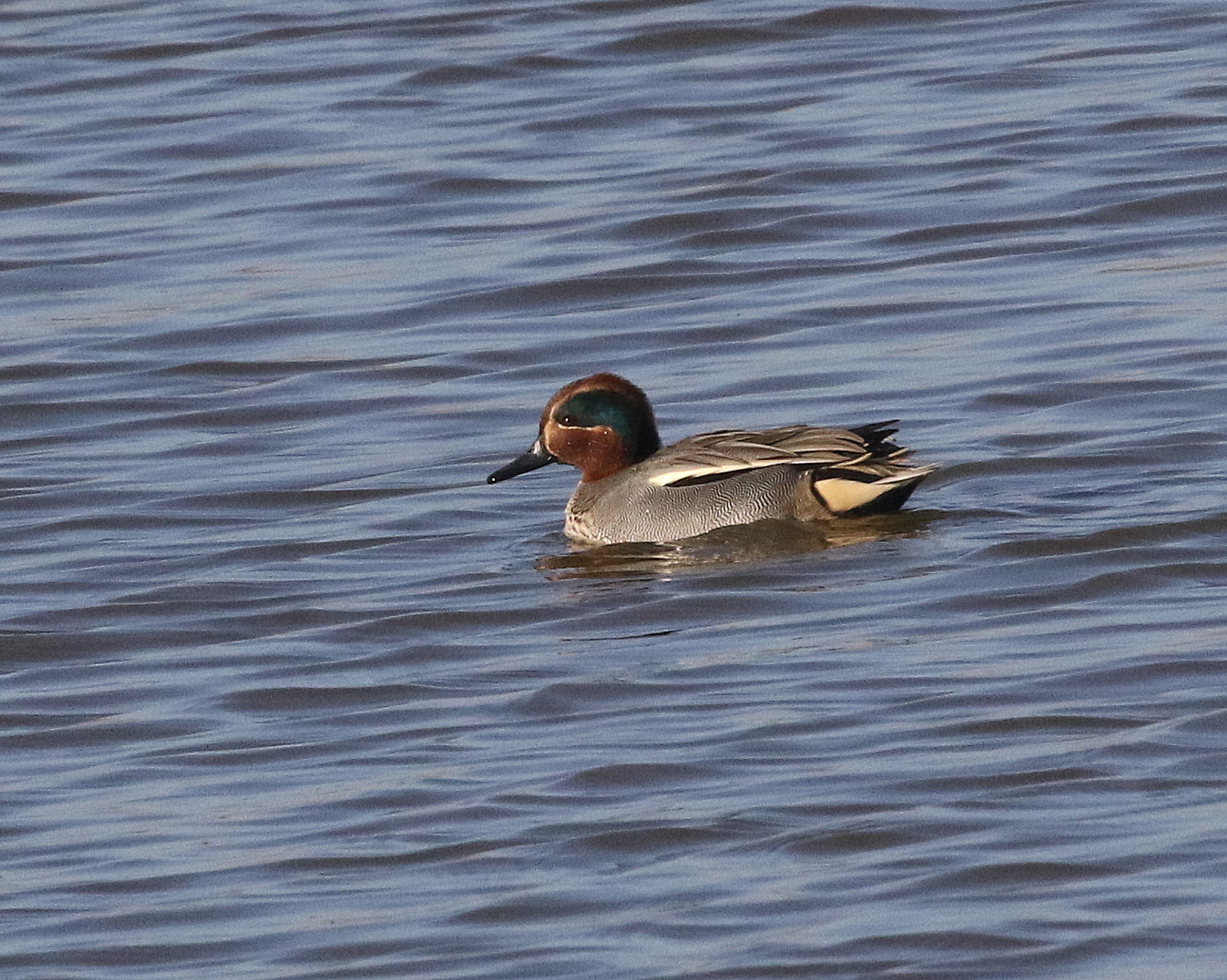
Avocets

However, the highlight was a Barn Owl, which flew across the road just beyond Stone Creek, and parked itself on the sticky buds of a Horse Chestnut for 5 minutes. It kept its eye on the ground and eventually plunged down after prey, but we weren't certain it managed to catch anything.
Barn Owl with Insects
ditto

ditto

ditto

On Tuesday I checked out Denaby Ings and Sprotbrough Flash. The car park at the former was large enough to cope with my classes, but the latter wasn't. It's fairly unlikely that we will travel to these sites, unless some solution occurs to us.
Shelduck
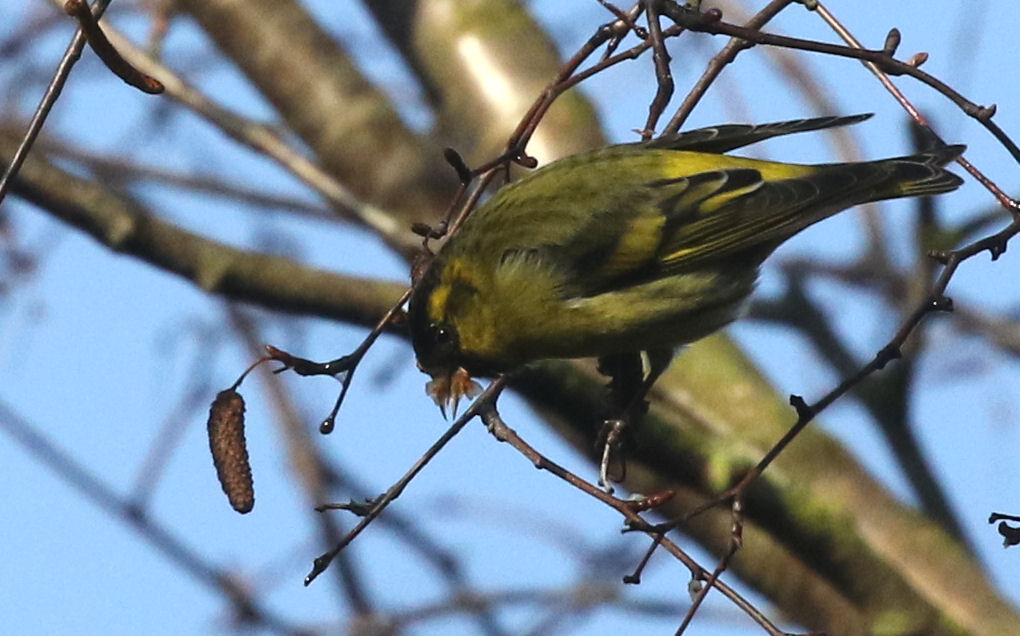
Siskin
Courting Great Crested Grebes

ditto

ditto

ditto

On Wednesday we were able to go to Tophill Low where again the weather was excellent. We visited the south part of the reserve.
Buck Roe Deer - near the old visitor centre

ditto

Goldcrest

ditto

ditto

Goldcrest (c) 2019 Tony Robinson

Redwing (c) 2019 Aileen Urquhart

Mistle Thrush

Goldeneye

ditto

ditto

ditto

ditto

ditto

ditto

ditto

ditto

ditto

ditto

ditto

Goldeneyes (c) 2019 Tony Robinson

Shoveler (c) 2019 Tony Robinson

Pied Wagtail

ditto

Pied Wagtail (c) 2019 Aileen Urquhart

Kestrel

Reed Bunting

Sun Worshippers

Cormorants (c) 2019 Aileen Urquhart

Ditto

Les's Courting Cormorants

ditto

ditto

ditto


Cormorant

Heron

Lapwing

Marsh Harrier (c) 2019 Aileen Urquhart
 Ditto
Ditto


Little Grebes

Little Grebe (c) 2019 Tony Robinson

Ditto

Little Grebe (c) 2019 Aileen Urquhart

Mute Swans (c) 2019 Aileen Urquhart

Teal

Record Shot of Red-necked Grebe

Common Sandpiper (c) 2019 Tony Robinson

ditto

Little Egret & Common Sandpiper (c) 2019 Tony Robinson

Chaffinch (c) 2019 Tony Robinson

On Thursday the weather had changed and East Yorkshire was shrouded in greyness and mist. We went to the South Wolds as planned. In the meeting place we had a Yellowhammer singing and a Pied Wagtail flew over a roof. We shared cars and each one was surprised to see a bedraggled Caroline Hawley having just finished walking her dog. On arrival we were immediately hit by the clear notes of Song Thrushes and the ringing peal of Green Woodpeckers. This remained the soundtrack of the morning. Indeed, we probably came across 4 pairs of Song Thrushes, and possibly 3 laughing Green Woodpeckers. Near the large house we saw a pair of Great Spotted Woodpeckers, and possibly a third. Unfortunately, Green Woodpeckers found nothing to laugh at after lunch.
Mistle Thrush

ditto

Song Thrush

We left the cars, and Pam spotted a bird alighting on the grassy area - it was a Mistle Thrush, and it was later joined by its partner. The last visit’s Redwings seemed to have moved on. Greenfinches were prominent with their nasal drawls, and as we reached the last house Elaine spotted a Marsh Tit, and shortly afterwards a pair of Treecreepers, but luckily one of these came a lot closer, so everyone could see it.
Treecreeper
Pheasants

ditto

ditto

ditto

ditto

ditto

Pheasant

The bridge area didn’t add any extra species apart from a singing Coal Tit, and the water feature failed to provide the expected Grey Wagtail. However, as the afternoon group were heading back it did put in a farewell appearance. A climb to the hill top was less successful than expected, as mist started to flow through the valley. We did hear a singing Yellowhammer, and saw some finch-like bird flushed out of the field on the hilltop. Eventually a Red Kite was seen briefly, but it disappeared into the mist followed by a mobbing Crow.
Record shot of Linnet [left]
The journey back actually provided a prolonged view of a flying Green Woodpecker. Overall, it wasn’t quite as misty in the afternoon, but the sun never broke through, and all the morning birdsong had diminished.
Grey Wagtail
On Friday the weather looked as though it was due to deteriorate after the classes had finished, so we went ahead with Horsea. We began by looking around the mere. There had been a mass clearout of wildfowl, but luckily there were still a few examples of every species. A good number of Goldeneyes were still present including one female being harassed and corralled by several drakes. A few Tufted Ducks were present, but we couldn’t find any Pochard, Scaup, Wigeon or Shoveler. There were Herring, Common and Black-headed Gulls, but these aren’t really an adequate compensation for the more colourful ducks.
Mistle Thrush

Roe deer

We travelled to Wassand. The lovely song of a Mistle Thrush greeted us as soon as we opened the car doors. Mike spotted a male Bullfinch, and then 2 more males were seen. Rather surprisingly there weren’t any females present. We could hear drumming Woodpeckers, but no Jays this time. As we approached the hide a strange squawk was heard, and before we went in we could just discern a male Marsh Harrier completing its skydancing. Luckily, and it’s partner remained active during our stay in the hide.
Marsh Harrier

ditto

ditto

At least 2 Cetti’s Warblers were directly outside the hide, and another highlight was a drake Goosander heading west. There were plenty of Goldeneye here too, plus Tufted Ducks and Coots. A Buzzard landed in a tree on the other side of the mere, and the Marsh Harriers continued to perform.
Heron

On the journey back we did see a Great Spotted Woodpecker, but it soon plunged towards the ground and was lost to sight. A few Redwings were also glimpsed over the fields on the way back to the car park. The afternoon group saw Bullfinches on their way back, and a Siskin flew east as we walked along the avenue of pines.
Goldeneye

Common Gull (c) 2019 Mike Woods

Ditto

ditto

Immature Mute Swan (c) 2019 Mike Woods

Greylag Size Discrepancy (c) 2019 Mike Woods

Lapwings (c) 2019 Jane Robinson
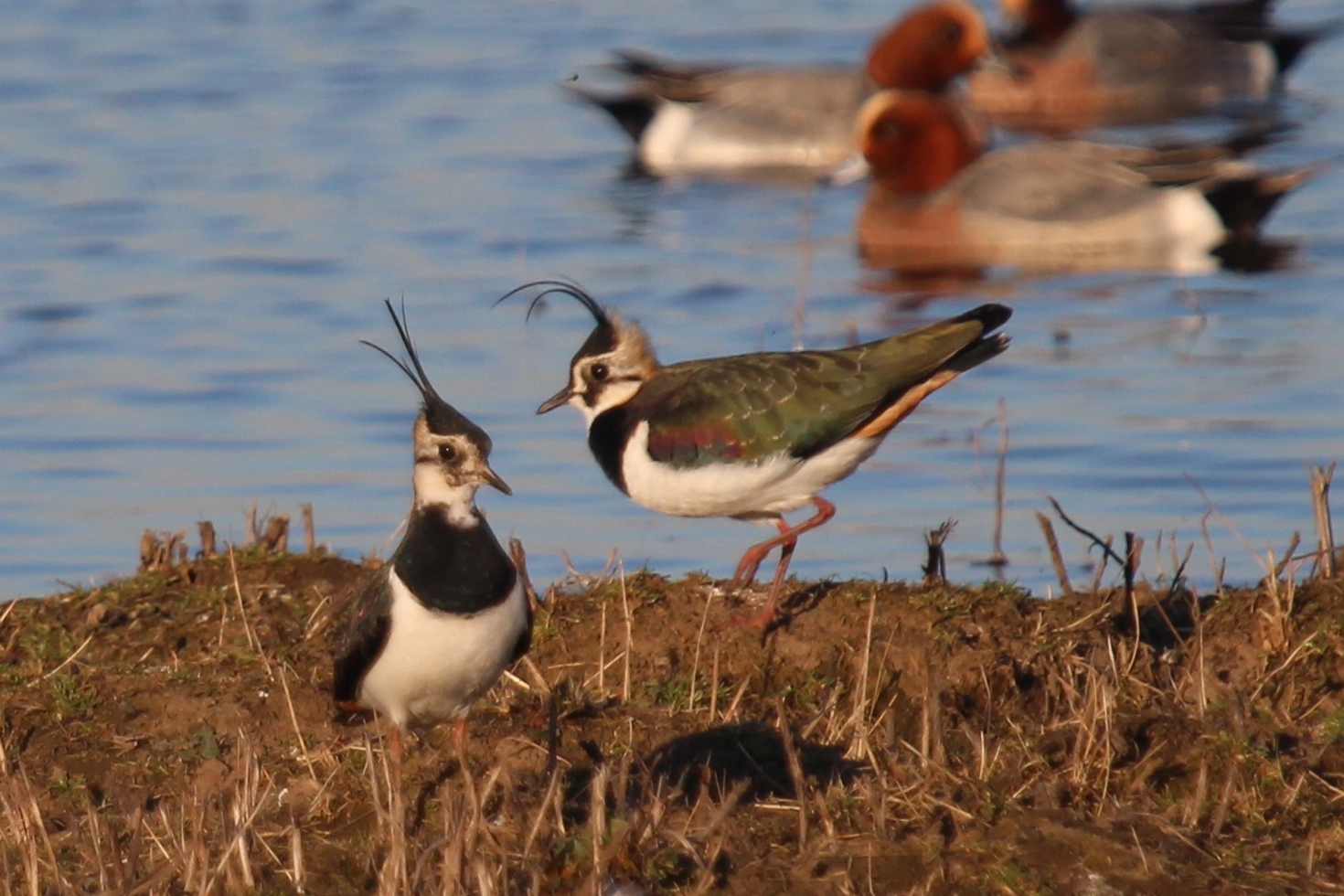
Lapwing (c) 2019 Jane Robinson

Shoveler (c) 2019 Jane Robinson

Trick of the Light

Shoveler (c) 2019 Jane Robinson


Ditto

Wigeon & Oystercatchers (c) 2019 Jane Robinson

Wigeon (c) 2019 Jane Robinson

ditto

Whooper Swan (c) 2019 Jane Robinson

Curlew (c) 2019 Jane Robinson


