Thursday, 13 December 2018

A Shag in Hull's East Park

This afternoon I thought it was time I checked out our local Goosander winter population.  Before I reached them I was struck by a strange looking Cormorant-like on a post out in the middle of the lake.  On inspection it was mainly dark underneath with a small white patch under the bill.  Juvenile Cormorants have large areas of white on its underparts.  From that distance its bill looked less substantial, and there appeared to be a small bump at the front of its head.  Could this really be a Shag?  They are sometimes found inland after really stormy weather, but it has been quite calm lately.
Immature Shag
 The initial view of the immature Shag
There were at least 15 Goosanders, but the light was fading, so the photos are rather limited. 
Drake Goosander
 Ditto
 Female Goosander
 Size Comparison between Drake Tufted Duck (left) & Goosander
 Ditto
When an immature Cormorant arrived the Shag left its vantage point, and hid on the jetty in front of the boathouse.
Immature Cormorant 
 Immature Cormorant
So, what are the other ID features which show this is a Shag rather than a Cormorant?  The bill of a Shag is a lot more slender and the lower mandible is yellow, while the Cormorant has a uniform dark bill.  The immature Shag has pinkish feet, but Cormorants always have dark feet.  The Cormorant also has a much longer tail.
An Immature Cormorant from the Archives
Immature Shag
 Ditto
 Ditto
 Ditto

Wednesday, 12 December 2018

A Load of Old Buzzards

The Buzzard is the most numerous bird of prey in the UK.  It isn't the most numerous raptor in the Holderness area of East Yorkshire, but numbers are definitely building.  Just occasionally it is possible to come close to a perched bird, but it is much more usual to come across a soaring, or just flying individual.  This week I've been looking for a certain Short-eared owl.  It has been there ever day apart from the one day the Weds am group got there first and frightened it off.  Unfortunately, I haven't managed to photograph it as well as I managed a few weeks ago.
Common Buzzard
 Ditto 
 With Patrington steeple to the right
 Ditto
 With Patrington steeple to the left
 Ditto
 Buzzard
Ditto
Short-eared Owl
 Ditto

 Golden Plovers at Paull
 ditto
 ditto
 ditto
 ditto
 ditto
 ditto
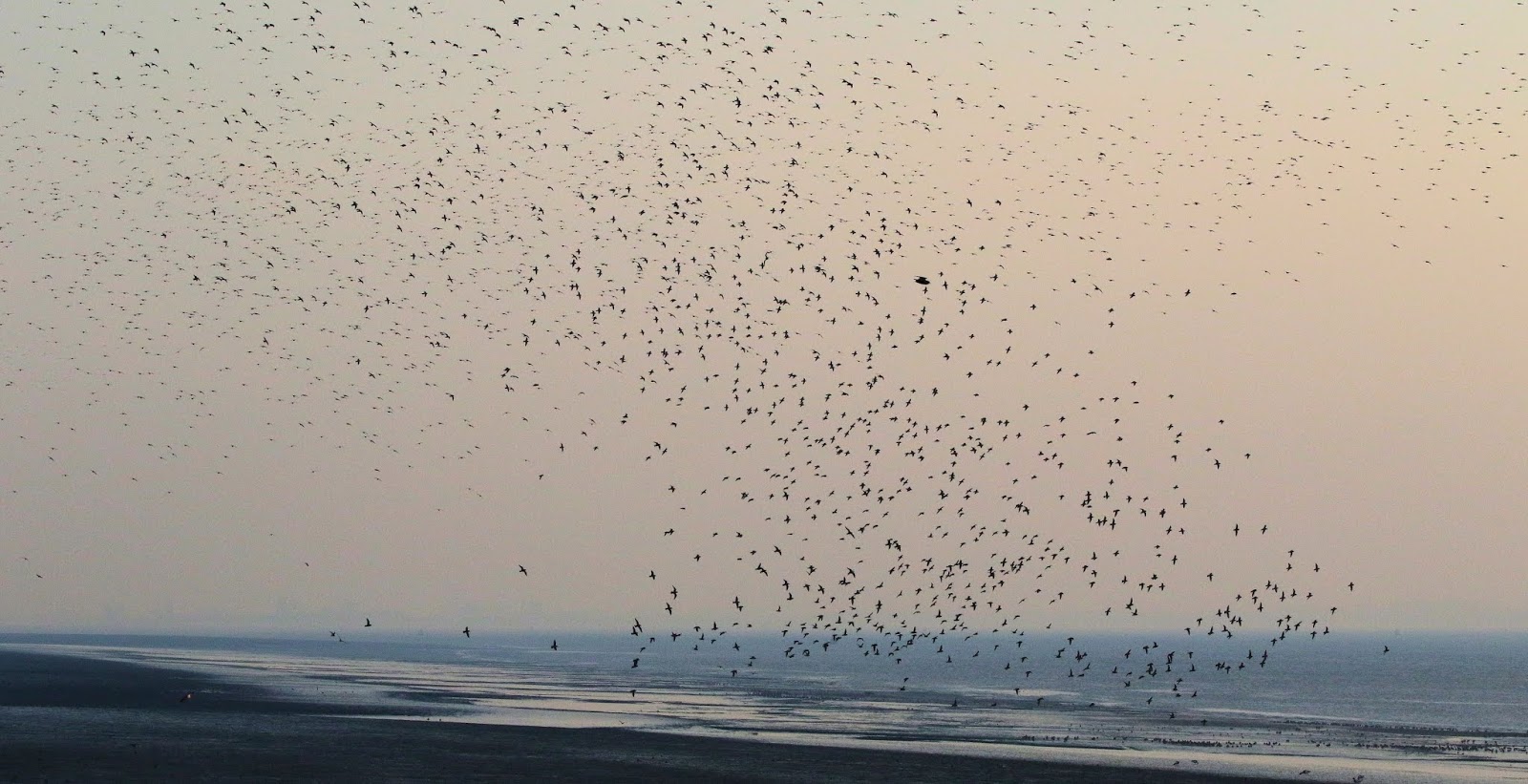
 Starlings at Stone Creek
 a Browner individual Buzzard
 Ditto
 Sunset over Immingham
 ditto

Friday, 7 December 2018

Bookings Open for Winter Term

All my current Autumn clients have now been asked if  they'd like to return for the Winter sessions, so bookings are now being opened up to everyone else.  There are no vacancies on Tuesday or Friday mornings, but there are spaces on Wednesday afternoons, Friday afternoons or Thursday afternoons.  However, if you are interested in another session please ask. 
Short-eared Owl

Winter is traditionally the period when we have the best chance to see Long and Short-eared Owls, Rough-legged Buzzards, Waxwings,      Great Grey Shrikes, Hawfinches and  Waxwings.  There are still colourful  birds to see like Stonechats, Redwings and Kingfishers.   
Long-eared Owl (c) 2018 Richard Broughton 
 Rough-legged Buzzard 
 Ditto
 Hen Harrier
Waxwings
Redwing
 Hawfinch (c) 2018 Mike Woods
 Snow Bunting 
 Short-eared Owl
 Stonechat - colourful winter bird
Little Egret - eating hawthorn berries
 Long-tailed Tit - a commonly-emcoutered bird in winter
 Starling Murmuration
As the winter progresses we will encounter more birds singing.  This is the best time of the year to learn a little birdsong every week, before the avalanche of new singing species when the summer migrants arrive in April and May.   It is important to gain a basic knowledge in the birdsong of our resident species before things become more complicated after Easter.
  Chaffinch